CATHOLIC SOCIAL TEACHING
What is Catholic Social Teaching?
Catholic Social Teaching is based on the belief that God has a plan for creation, a plan to build his kingdom of peace, love and justice. It is based on Scripture, Tradition and Church teaching, as given by popes, bishops and theologians. It holds that God has a special plan for every single one of us, whoever we are. Our part in this plan isn’t just limited to things ‘spiritual’, or times when we do “religious things.” It involves every aspect of our lives, from the things we pray about, to how we live as a responsible global citizen. Our part in this story is a kind-of vocation for the common good, a call to treat everyone as our brothers and sisters. It is something that we all share.
The Catholic Church has nine principles of social teaching that we share with our children through all that we do, through the curriculum, special events and activity and through our ordinary actions in school.
What is Catholic Social Teaching?
Catholic Social Teaching at Holy Family

Stewardship
In Genesis 1:26 and 1:28, God gives people “dominion” over creation. From the beginning, God asked humans to care for one another and for all creation. We are to act as caretakers or stewards of creation.
The basis of all stewardship can be traced back to our creation. A steward takes personal responsibility for something in his or her care. One synonym for steward is keeper. A steward of God’s creation is a keeper of the earth.
We help our children recognise that God wants us to be good stewards of God’s creation.
*Our Laudato Si Pupil Leaders Making Bird Feeders
Human Dignity
As Catholics, we see in men and women, in every person, the living image of God. God said:
“Let us make man in our image, after our likeness. So God created man in his own image, in the image of God he created him; male and female he created them.”
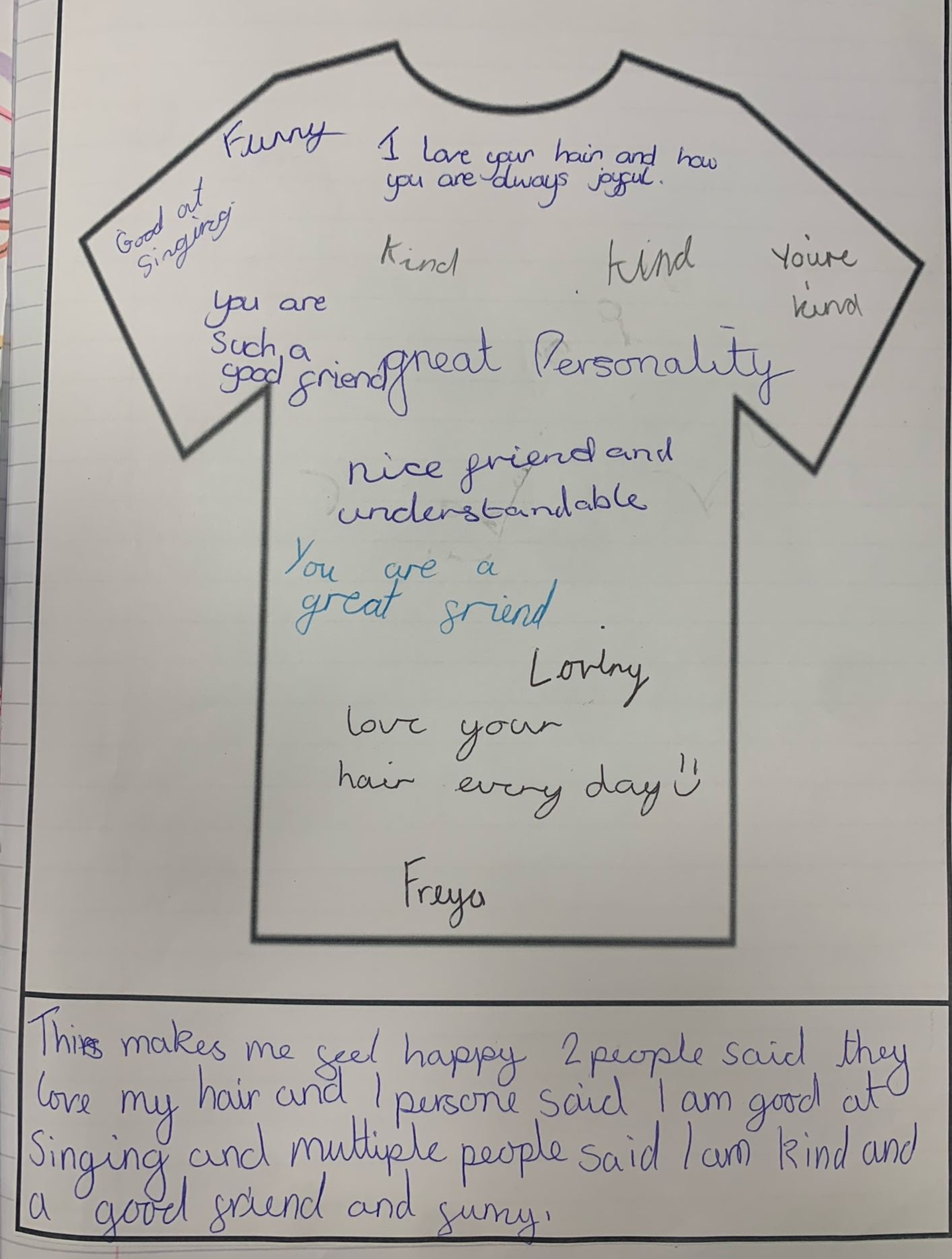
We, therefore, recognise that every human being is unique because he or she was willed by God as an unrepeatable person, created out of love, and redeemed with even greater love. The dignity of each and every human being paramount to the teachings of the Church and we are called to treat all people with the greatest respect, knowing that they are an individual created and loved by God.
*Year 5/6 Dignity of the Human Person

Participation
The Catholic social teaching principle of Participation is recognising that everyone has a part to play in our communities. Promoting participation means recognising we each have something unique and important to contribute to society. We are called on to be active members of our local and global communities. All people have the right to participate in decisions that affect their lives. We have both rights and responsibilities. Rights are things that make life truly human- truly great.
Promoting participation means recognising we each have something unique and important to contribute to society.
As human beings we live in community with others, growing together. We are called to be active members of our local, national and global communities to improve the well-being of all people.
We have a responsibility to be inclusive in our churches, our workplaces, our neighbourhoods and our decision-making processes. As communities we can work creatively to provide opportunities for all people to participate.
"So we, who are many, are one body in Christ, and individually we are members one of another." - Romans 12:5
*R/1 participating in a PE lesson
The Common Good
The common good is reached when we work together to improve the wellbeing of people in our society and the wider world. The rights of the individual to personal possessions and community resources must be balanced with the needs of the disadvantaged and dispossessed. Scripture teaches us that every person has the right to a fulfilling life, with access to the resources they need. The rights and needs of the individual must be balanced with the needs of the disadvantaged. The common good is reached when people work together to improve the wellbeing of all.
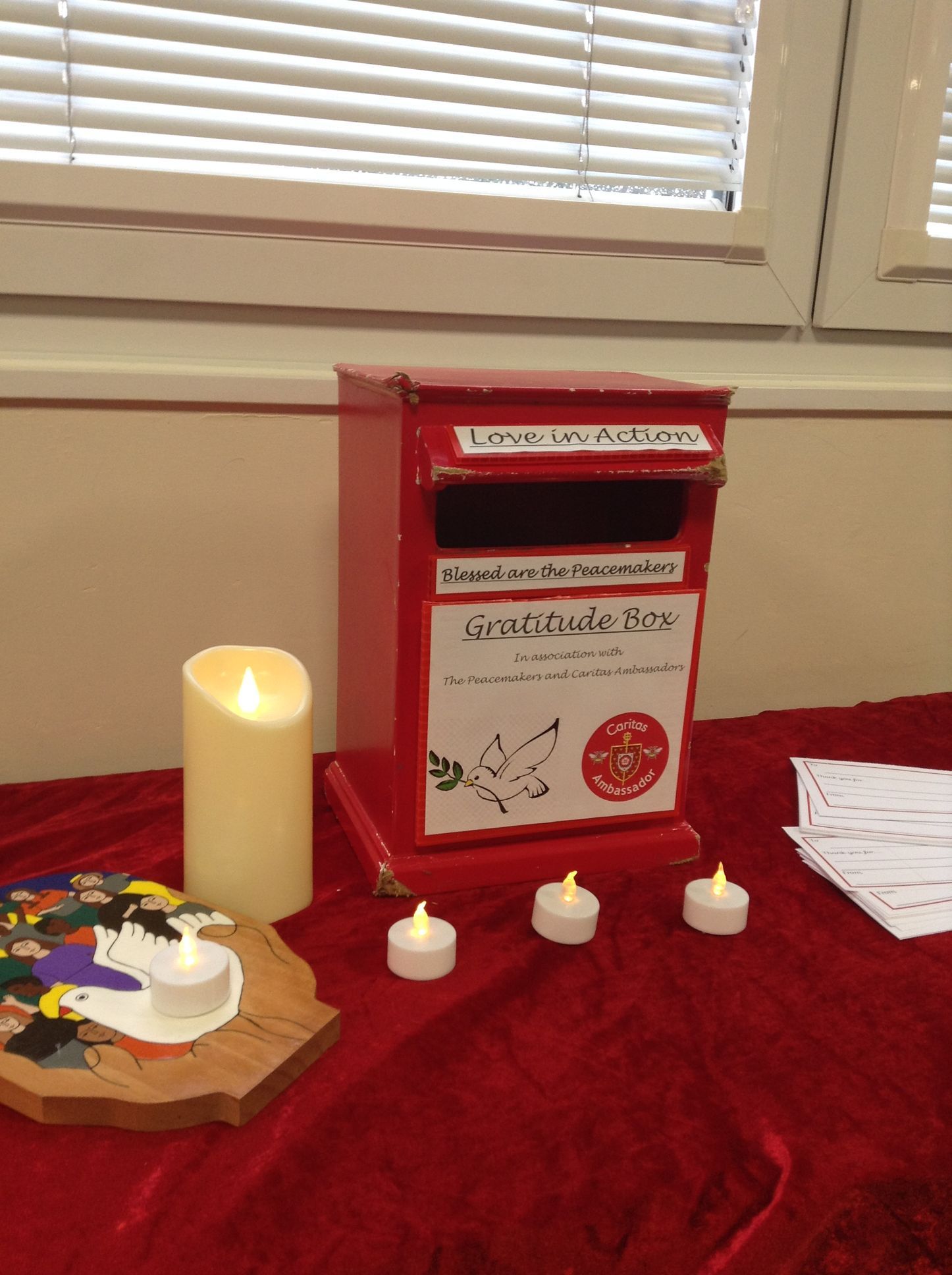
*Peacemakers and Caritas Ambassadors launching the Gratitude Post Box

The Preferential Option For The Poor
In the Gospel of Matthew (25:31–46), Jesus describes the last judgment, saying that we will be judged based on how we treat the poorest and most vulnerable members of society. Throughout the Scriptures, Jesus spends time with the sick and outcast, revealing a special love for those most in need.
The Catholic social teaching principle Option for the Poor and Vulnerable encourages us to imitate Christ’s love for the poor by working to create a society where the needs of the poor are always considered first.
*Our Caritas Ambassadors supporting The New Hope Orphanage in Kenya
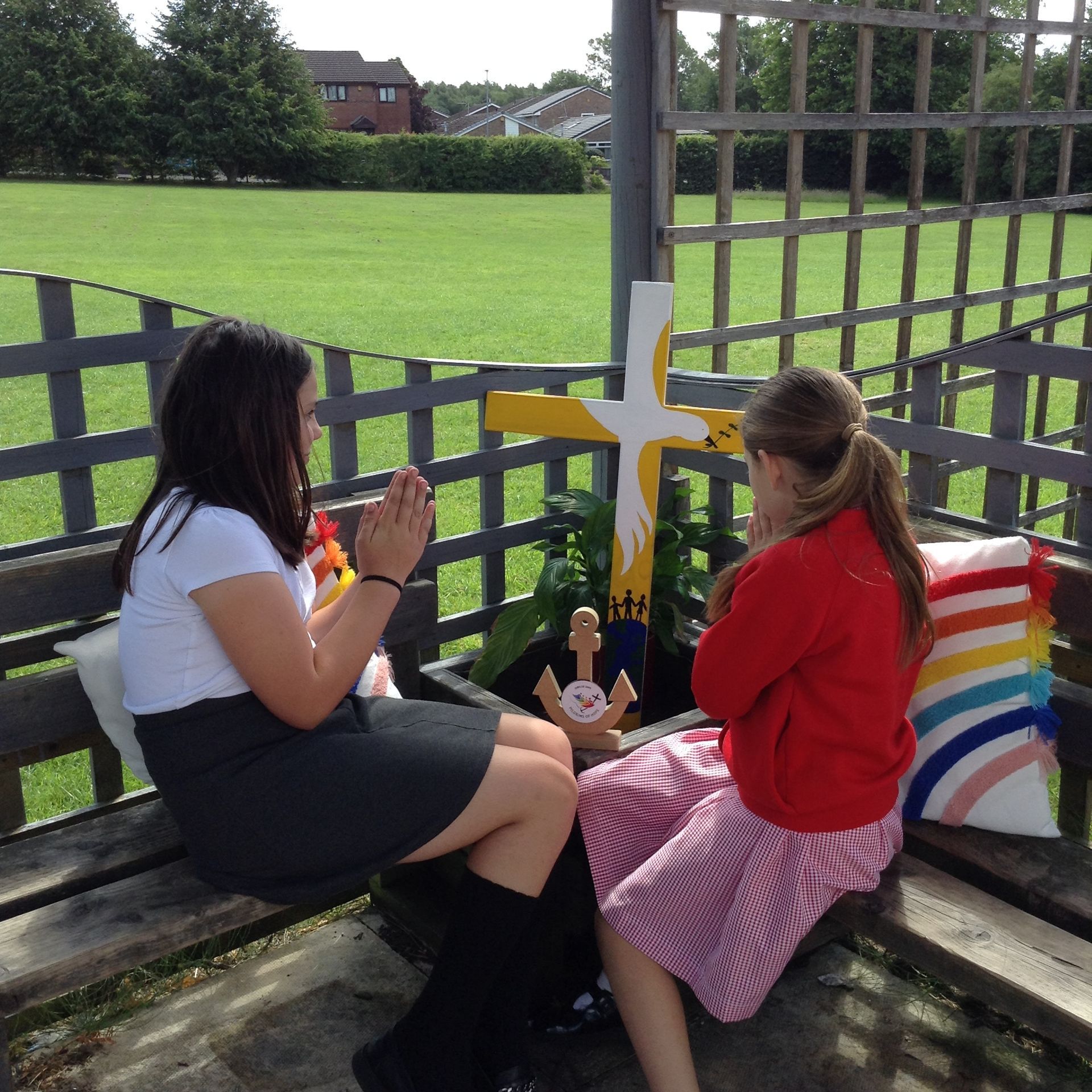
Promoting Peace
'Today the world has a profound thirst for peace. In many countries, people are suffering due to wars which, though often forgotten, are always the cause of suffering and poverty.’
Pope Francis, September 20, 2016
The Catholic social teaching principle of Promotion of Peace is about peace as the fruit of justice and love. All peace requires respect for human life, which in turn involves the safeguarding of the dignity and freedom of people.
All peace requires respect for human life, which in turn involves the safeguarding of the dignity and freedom of people.
Peace is the fruit of justice and love and is dependent upon right order among human beings. Peace is far more than just the absence of war. It is an essential attribute of God, a value to be embraced by all of humanity, and a universal duty.
Social Justice teaching is founded on firm scriptural foundations.
"Glory to God in the highest, and on earth peace, good will toward people." - Luke 14:2
*Peacemakers
Distributive Justice
"Whether believers or not, we are agreed today that the earth is essentially a shared inheritance, whose fruits are meant to benefit everyone. For believers, this becomes a question of fidelity to the Creator, since God created the world for everyone." - Laudato Si’
The Catholic social teaching principle of Distributive Justice reminds us that God intended all people to share in the world's resources. All should have necessities such as food, shelter, clothing, and access to what is needed for full development.
Distributive justice requires that the allocation of income, wealth, and power in society be evaluated in light of its effects on those whose basic material needs are unmet.
God intended all people to share in the world’s resources so that everyone can access what they need for their full development.
Distributive justice, also known as the universal destination of goods, requires that the allocation of income, wealth, and power in society be evaluated ensuring that everyone’s basic material needs are met. Resources should not be exploited now at the expense of future generations.
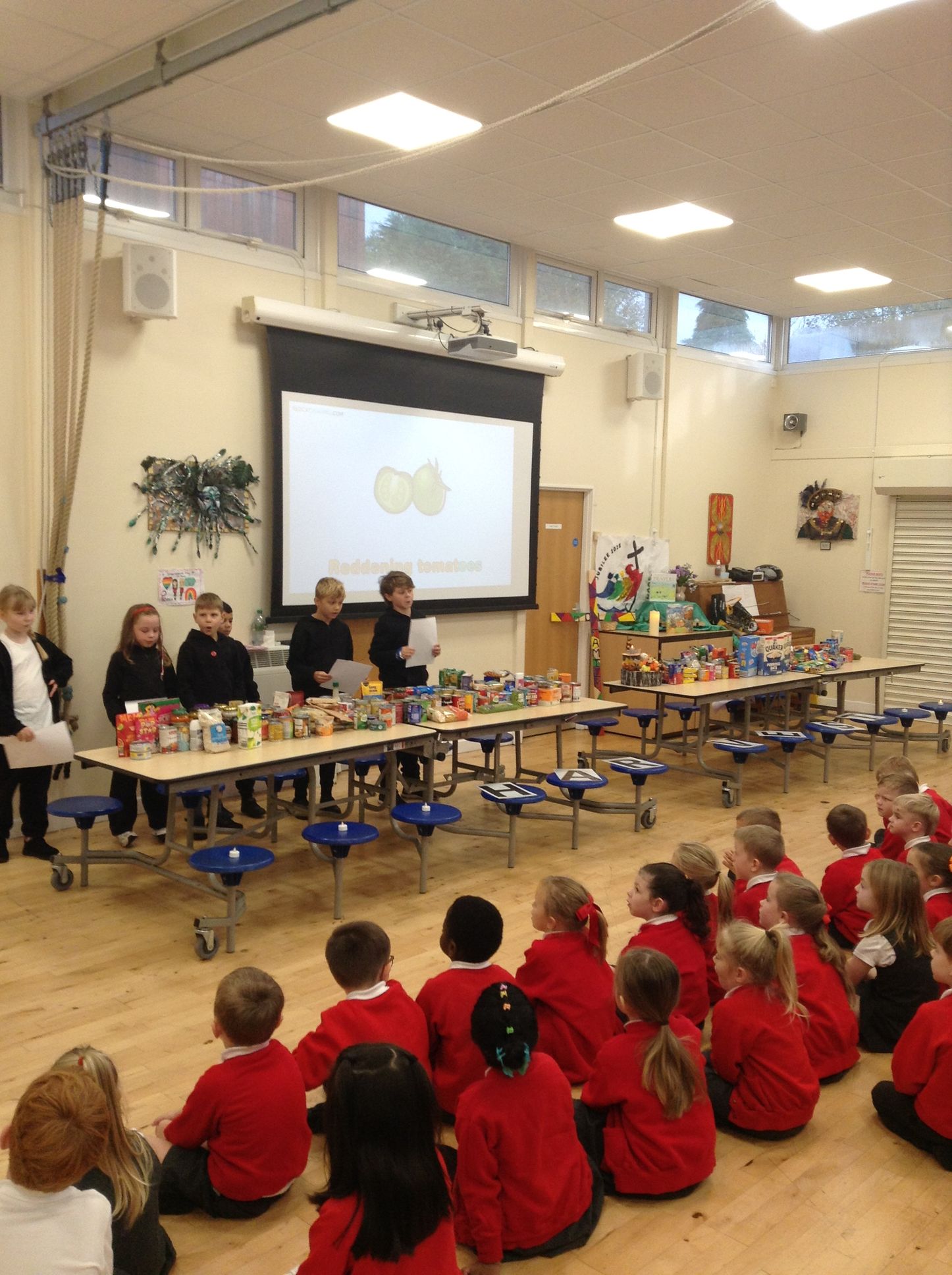
*Harvest collection
Solidarity
Solidarity means that we are interested in the good of all, even of people nobody thinks about because they have no voice and no power. The goods of the earth are there for everyone. The common good consists not only of the material or external good of all human beings; it also includes the comprehensive good of the human being, including even the spiritual good. The Catholic social teaching principle of solidarity is about recognising others as our brothers and sisters and actively working for their good. In our connected humanity, we are invited to build relationships to understand what life is like for others who are different from us.
Being in solidarity is recognising others as our brothers and sisters and actively working for their good. From the food we eat and the clothes we buy, to the news we read and the websites we browse, we are connected to people and places all over the world.
In our connected humanity, we are invited to build relationships to understand what life is like for others who are different from us; to help us understand what life is like for the poorest, most vulnerable, most overlooked, wherever they are in the world. As a human family we commit to work together for the well-being of all to ensure everyone has what they need to live with dignity.
Social Justice teaching is founded on firm scriptural foundations.
*Mission Christmas
Subsidarity
Subsidiarity involves making sure that decisions are made at the most appropriate level, so all those affected can contribute and have a voice. Everyone has important ideas and knows what is best for their families and communities. They need to have a say and the chance to influence outcomes.
"...together we want to give voice to all those who
suffer, to all those who have no voice and are not
heard.” - Pope Francis, 20 September 2016
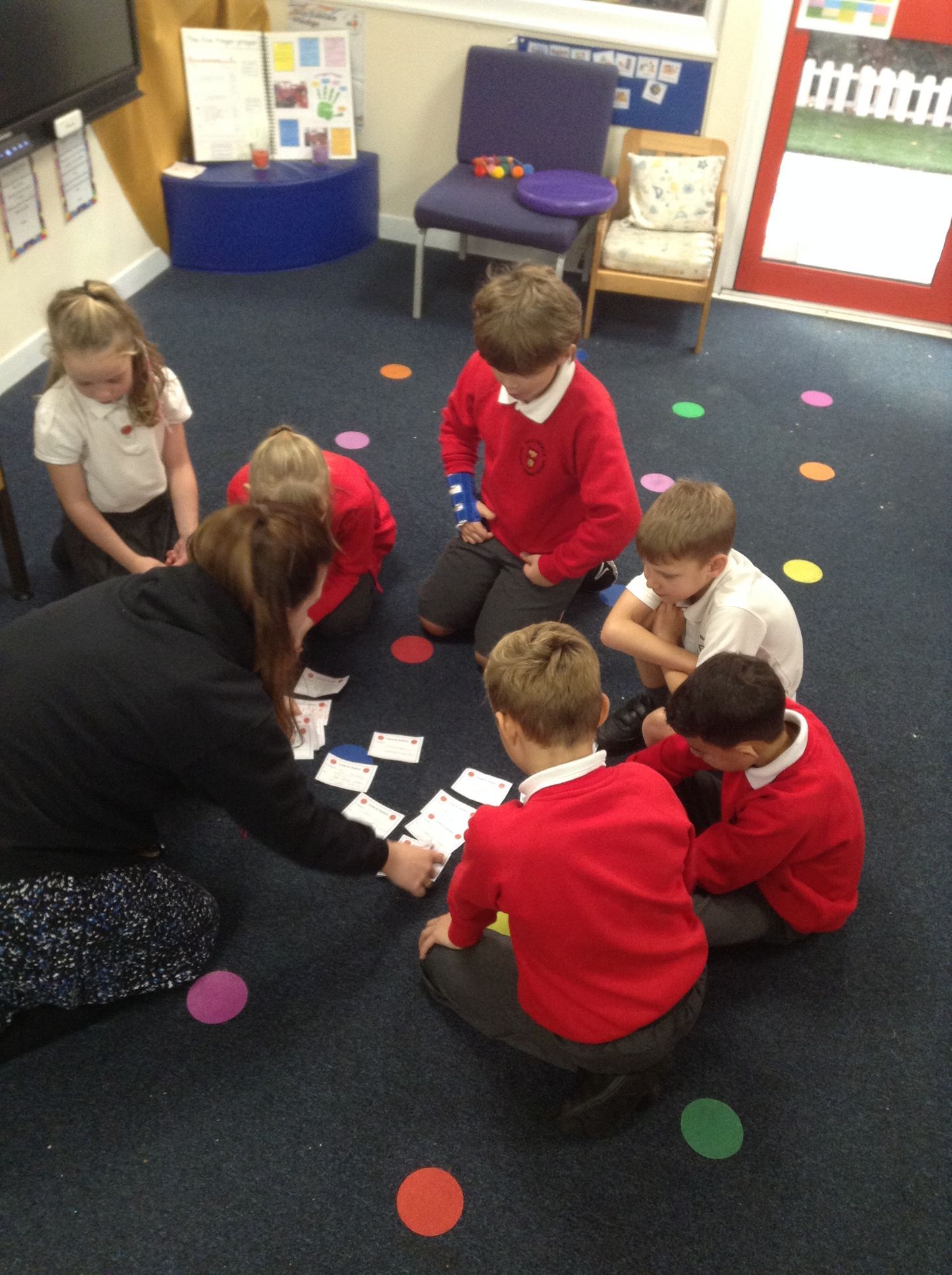
*Caritas Ambassadors voting to decide their first 'Love in Action Award' winner
Meet our Catholic Social Teaching Characters
Stewardship - Sofia the Sloth
We are guardians of God's Creation, living sustainably and enhancing the wellbeing of the planet
Human Dignity - Luc the Deer
We are beautifull made in the image and likeness of God.
Participation - Patariki the Penguin
We all have the right and duty to participate fully in society.
Common Good - Chikondi the Giraffe
Our actions have an impact on everyone. When we make decisions, we should consider the good of all.
Preferential Option For The Poor - Poppy the Popokotea
The needs of the poor and vulnerable should be put first.
Promoting Peace - Daisy the Dove
We can be God's instruments of peace through seeking justice.
Distributive Justice - DJ the Dolphin
Everyone should have access to their fair share of resources.
Solidarity - Shristi the Sun Bear
God created us as one global family called to support our brothers and sisters.
Subsidarity - Sid the Sheep
We are called to empower communities, to let everyone have a say.
Catholic Social Teaching Day
Reception/Year 1
The children in R/1 have loved learning fun, catchy rhymes all about our Catholic Social Teaching Characters. Through singing, actions, and repetition, they particularly enjoyed learning about our Character of the Week - Luc the Deer, and the special message that he shares. These rhymes remind us to be kind, to care for one another, to look after our world, and to always try to make good choices. It has been a joyful way for the children to learn important values while building confidence, language skills, and a sense of community.
Catholic Social Teaching Assembly
Our wonderful GIFT team led a fantastic whole-school assembly! They reminded us all about the 7 principles of Catholic Social Teaching and helped everyone understand how we can live these values every day.
We were especially excited to introduce the beautiful crocheted animals that represent each of the 7 strands — lovingly made and donated by a talented member of our parish community.
These animals will help our children remember important values like caring for creation, standing up for others, working together, and showing dignity and love to everyone.

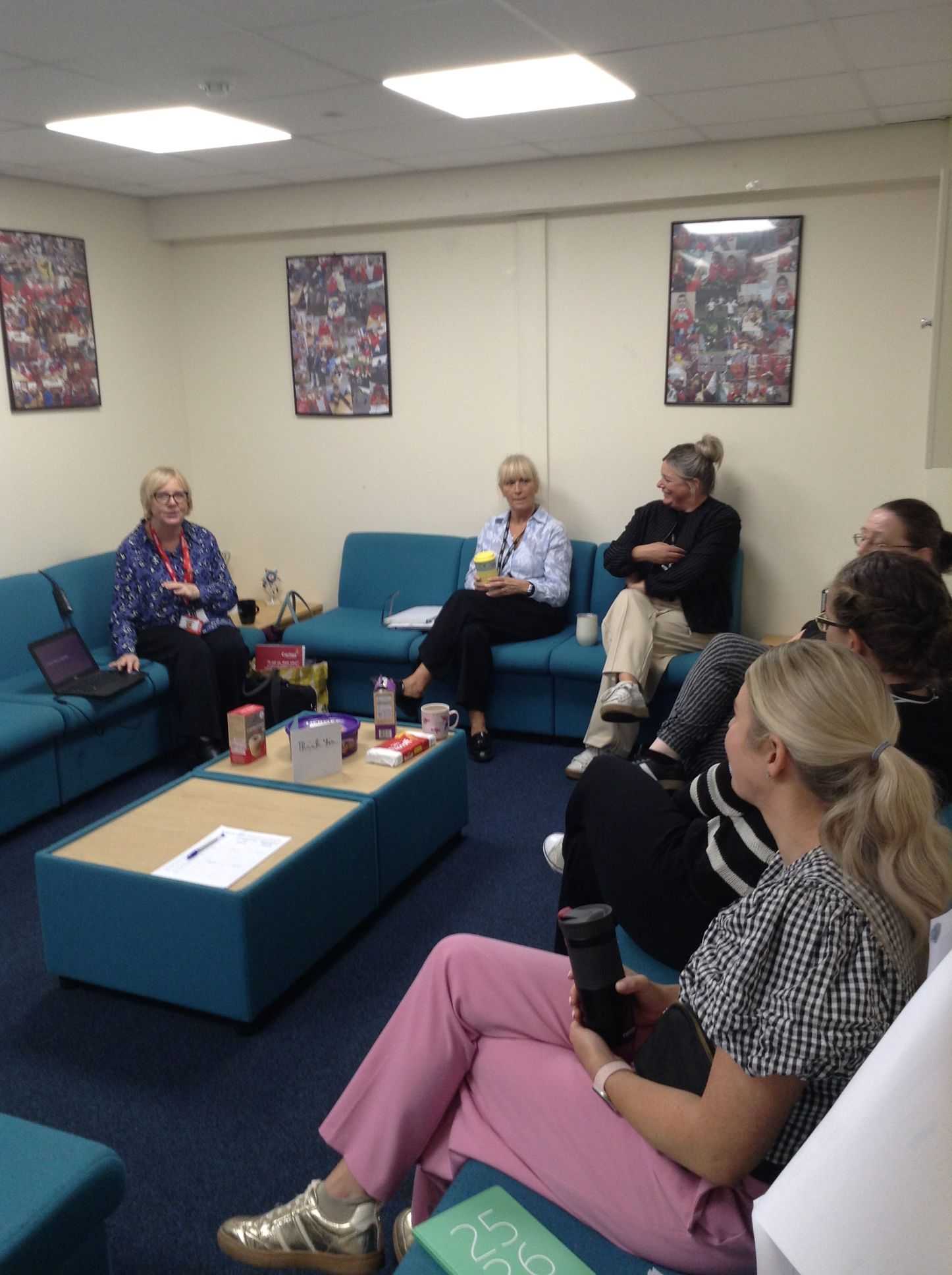
Staff CPD
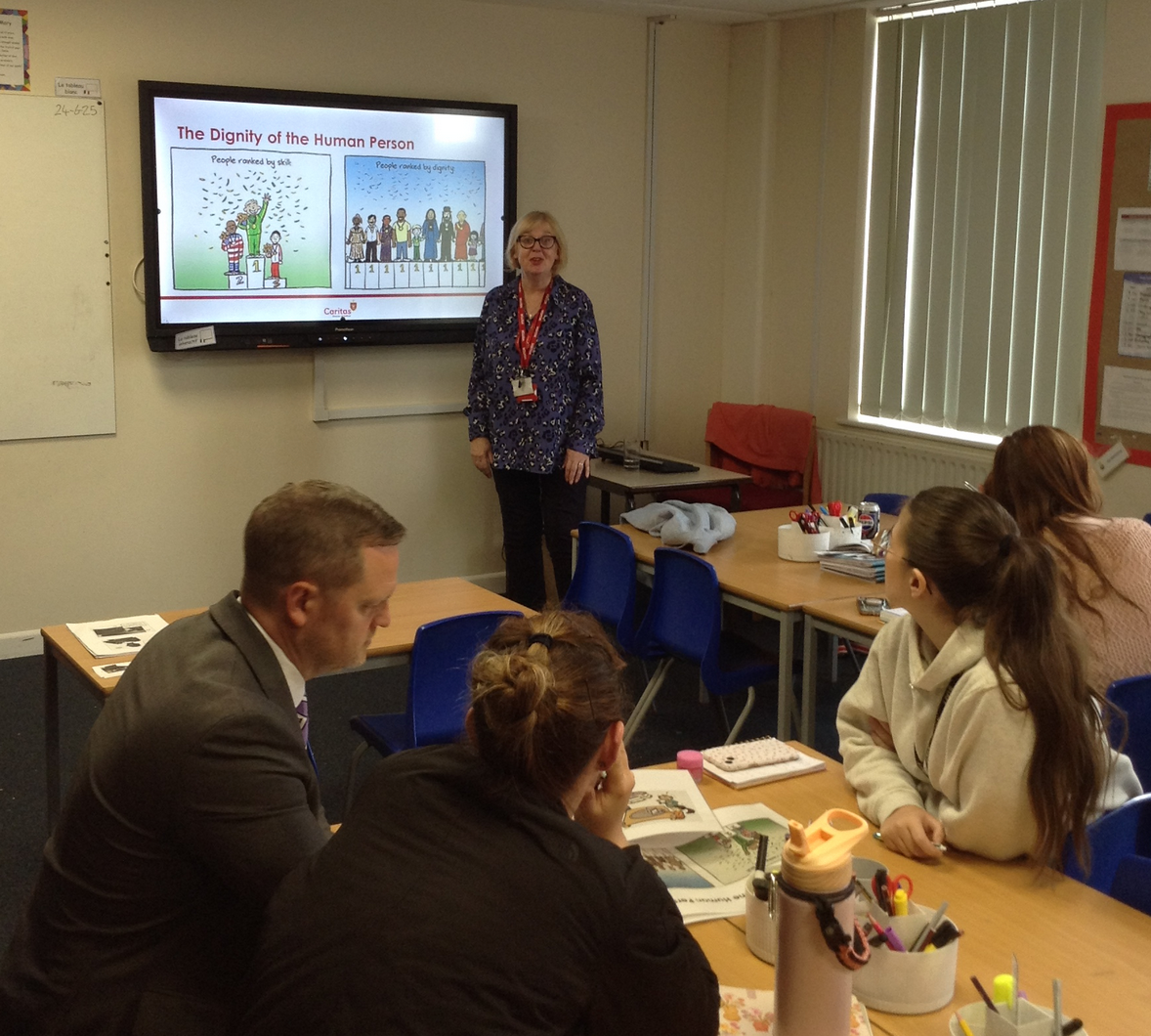
The teachers were given the opportunity to deepen their understanding of Catholic Social Teaching, helping them to better guide children in living out Gospel values such as charity, justice, and compassion. This professional development equips staff to nurture pupils’ moral and spiritual growth, encouraging them to care for others and the world around them. As Jesus taught,
“Truly I tell you, whatever you did for one of the least of these brothers and sisters of mine, you did for me” (Matthew 25:40).
Through this learning, staff are better prepared to inspire children to act with love and service in their daily lives.
Training the Caritas Ambassadors
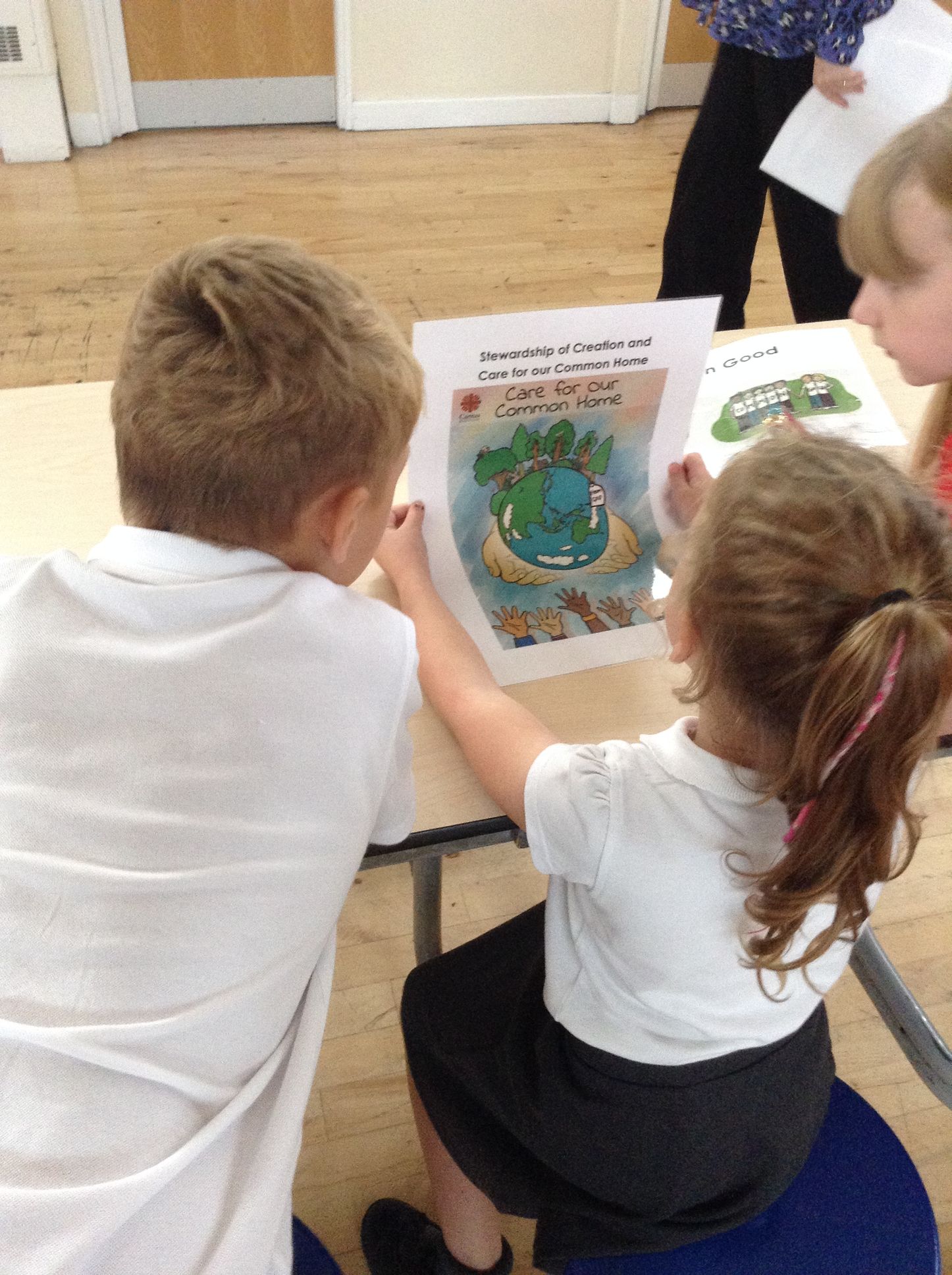
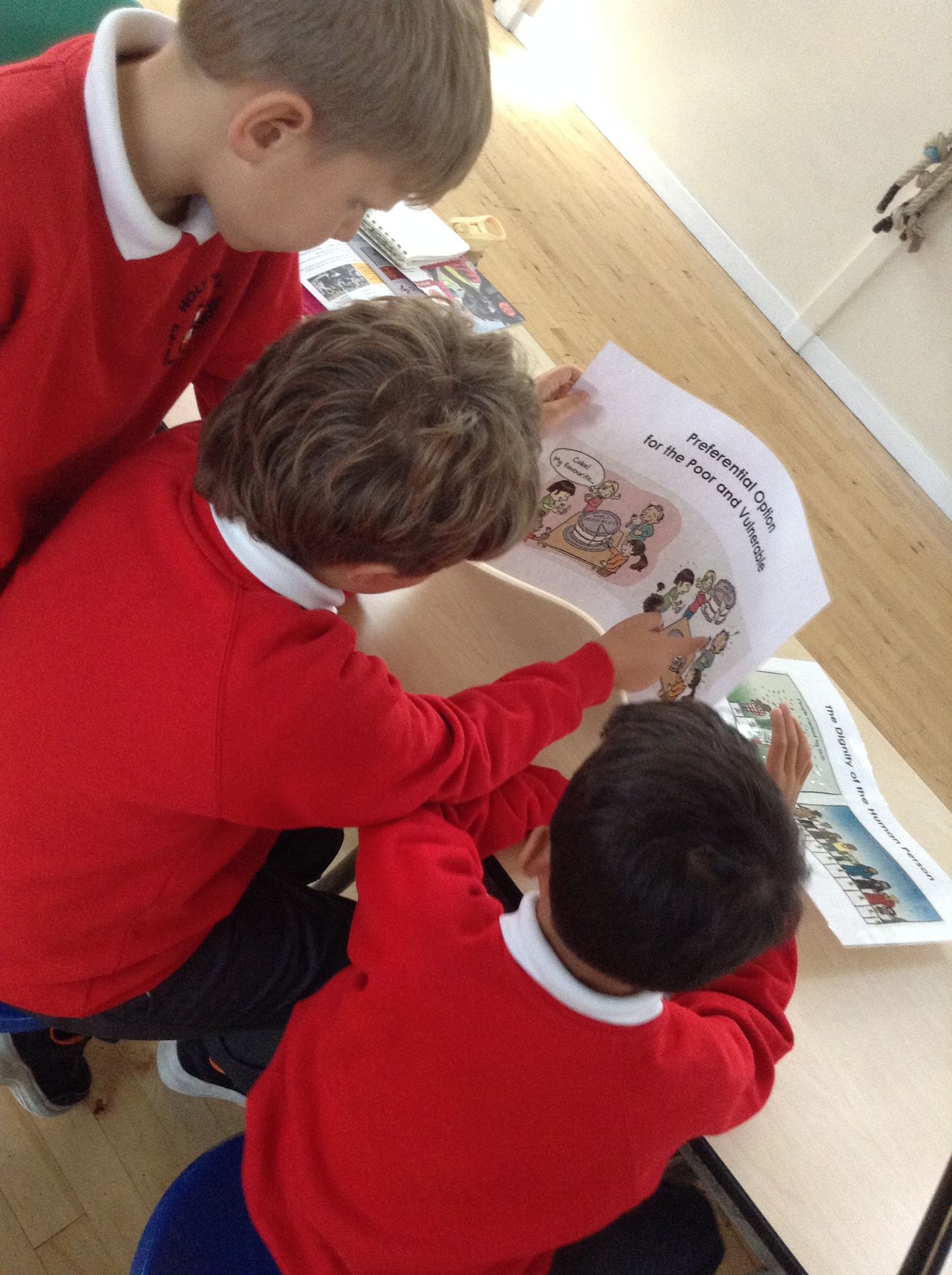
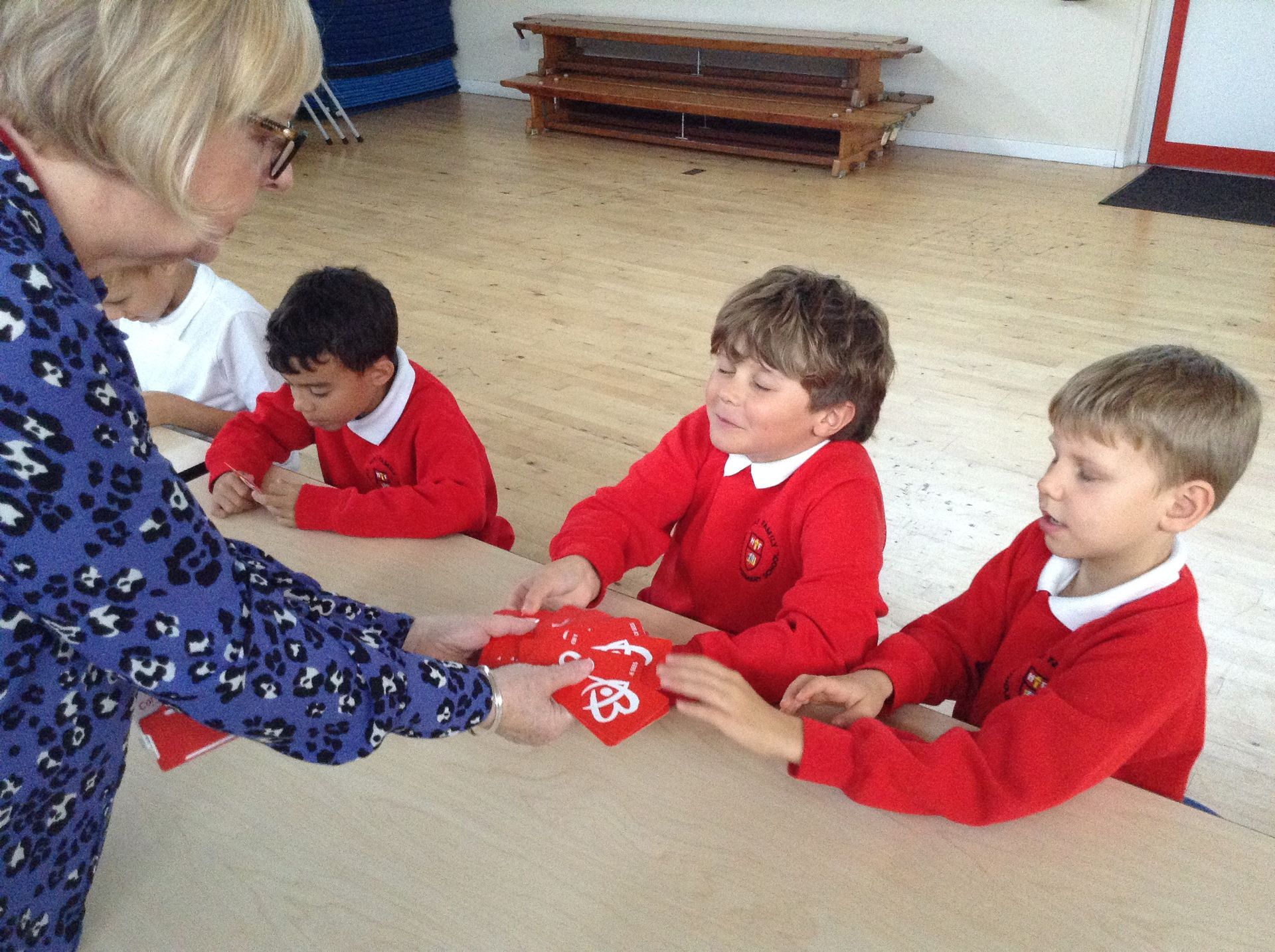
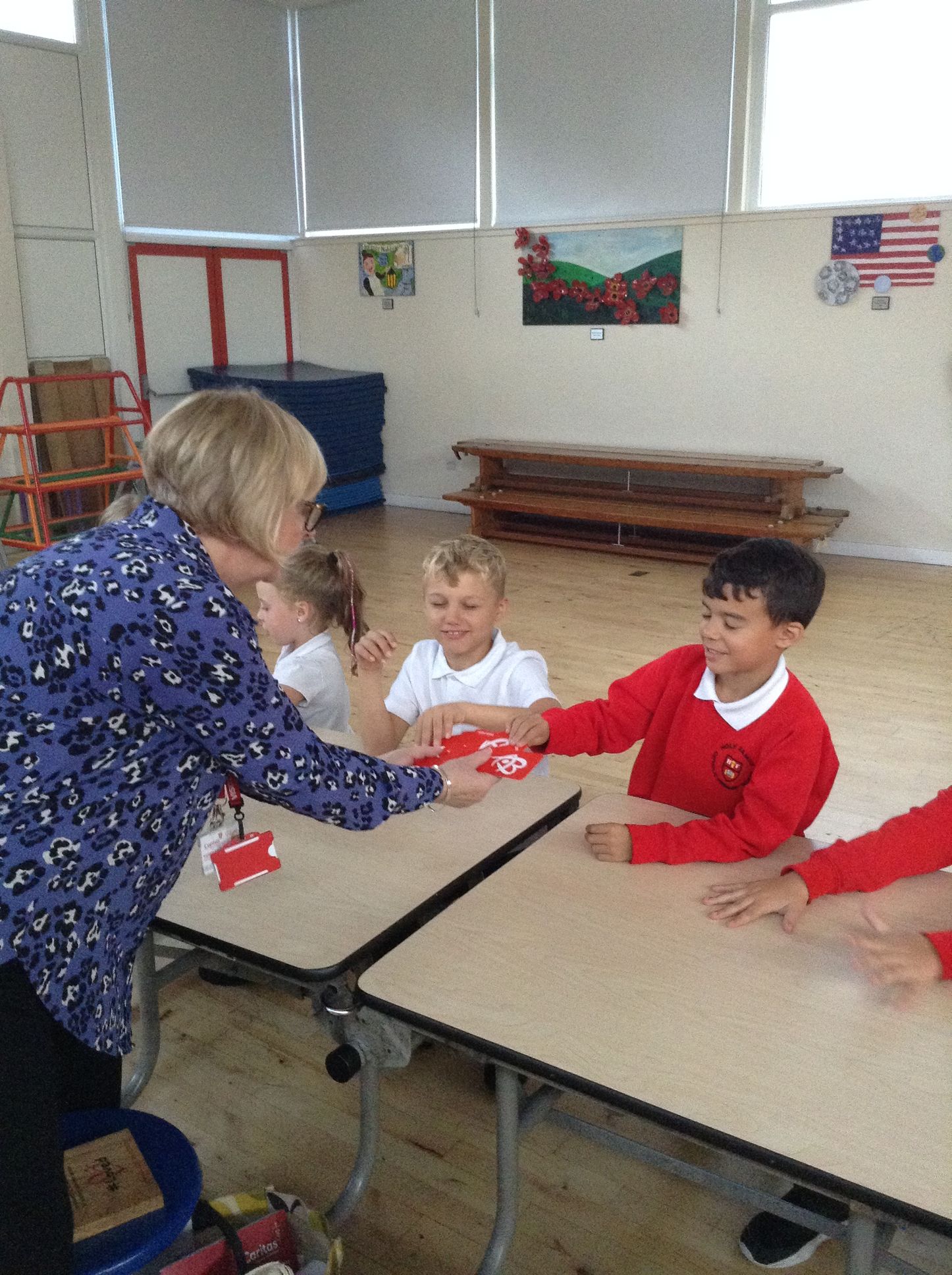
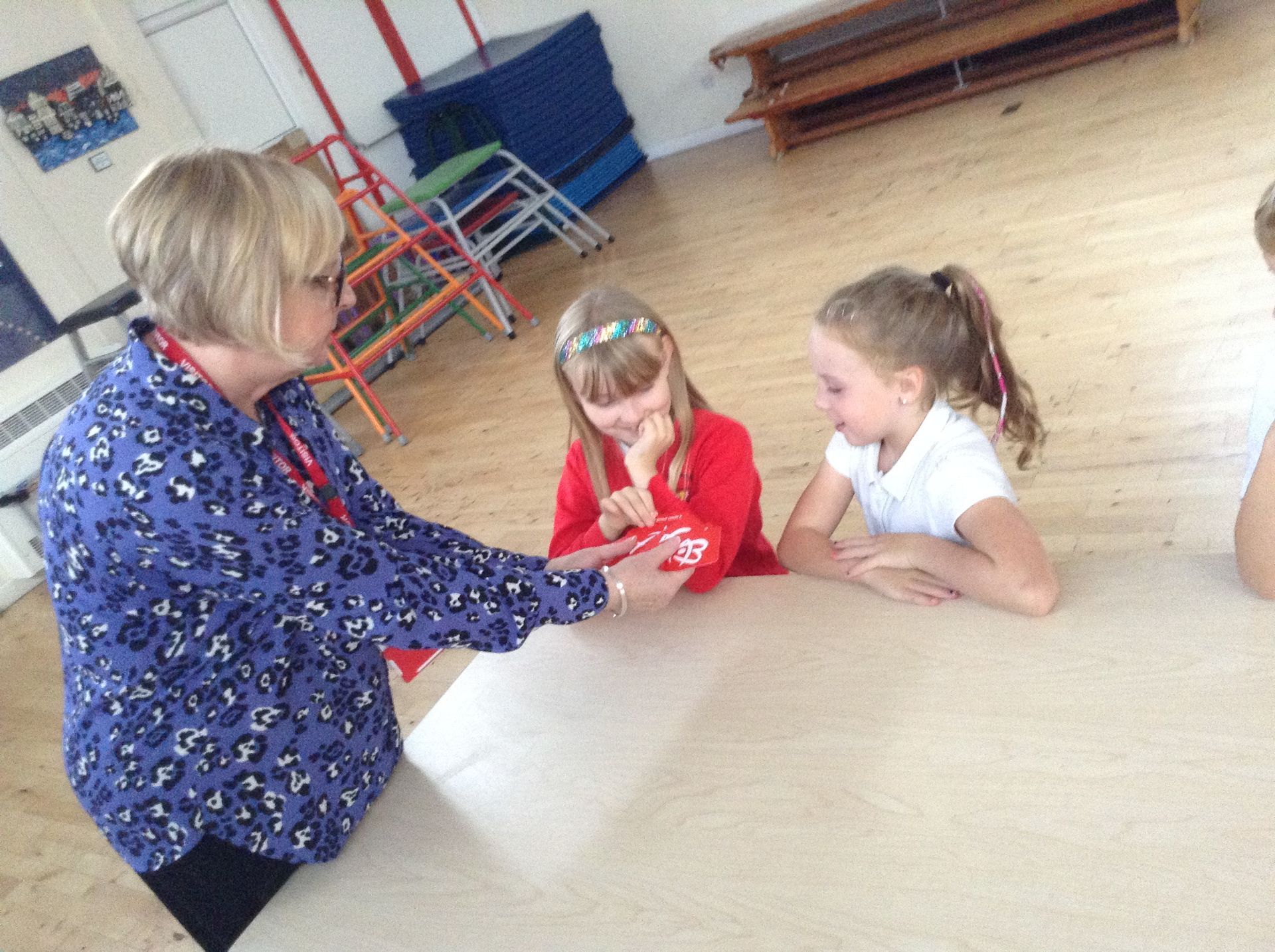
The Caritas Ambassadors recently took part in a special training session with Kath Ainsley. This invaluable opportunity helped them deepen their understanding of how to live out Catholic Social Teaching through action. Equipped with new knowledge and inspiration, our ambassadors are now ready to support and guide their fellow pupils in planning and leading charity initiatives across the school. Their work will help us all to show love, compassion, and justice in our community. As Pope Francis reminds us, “A little bit of mercy makes the world less cold and more just.”
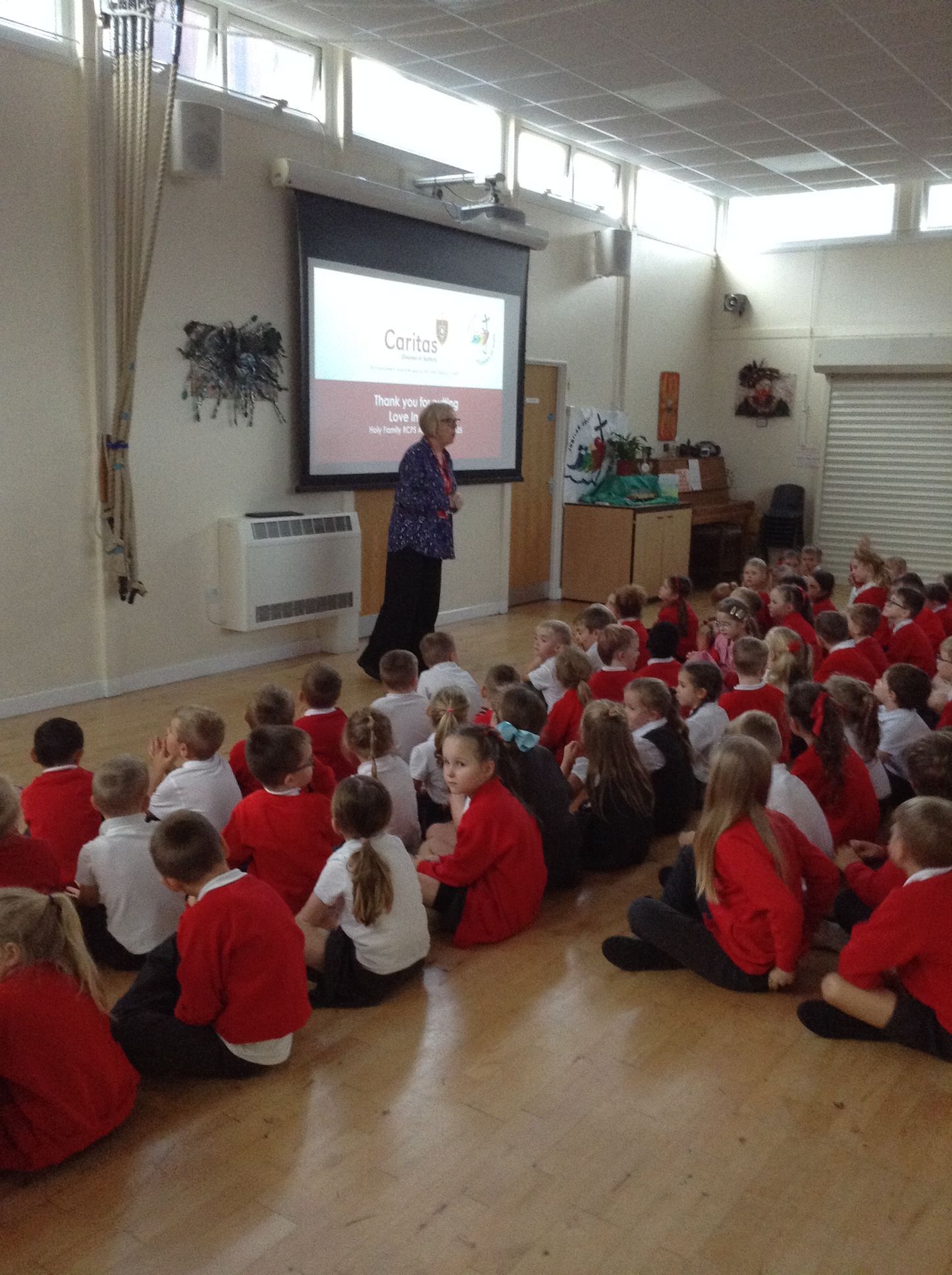
Whole school assembly
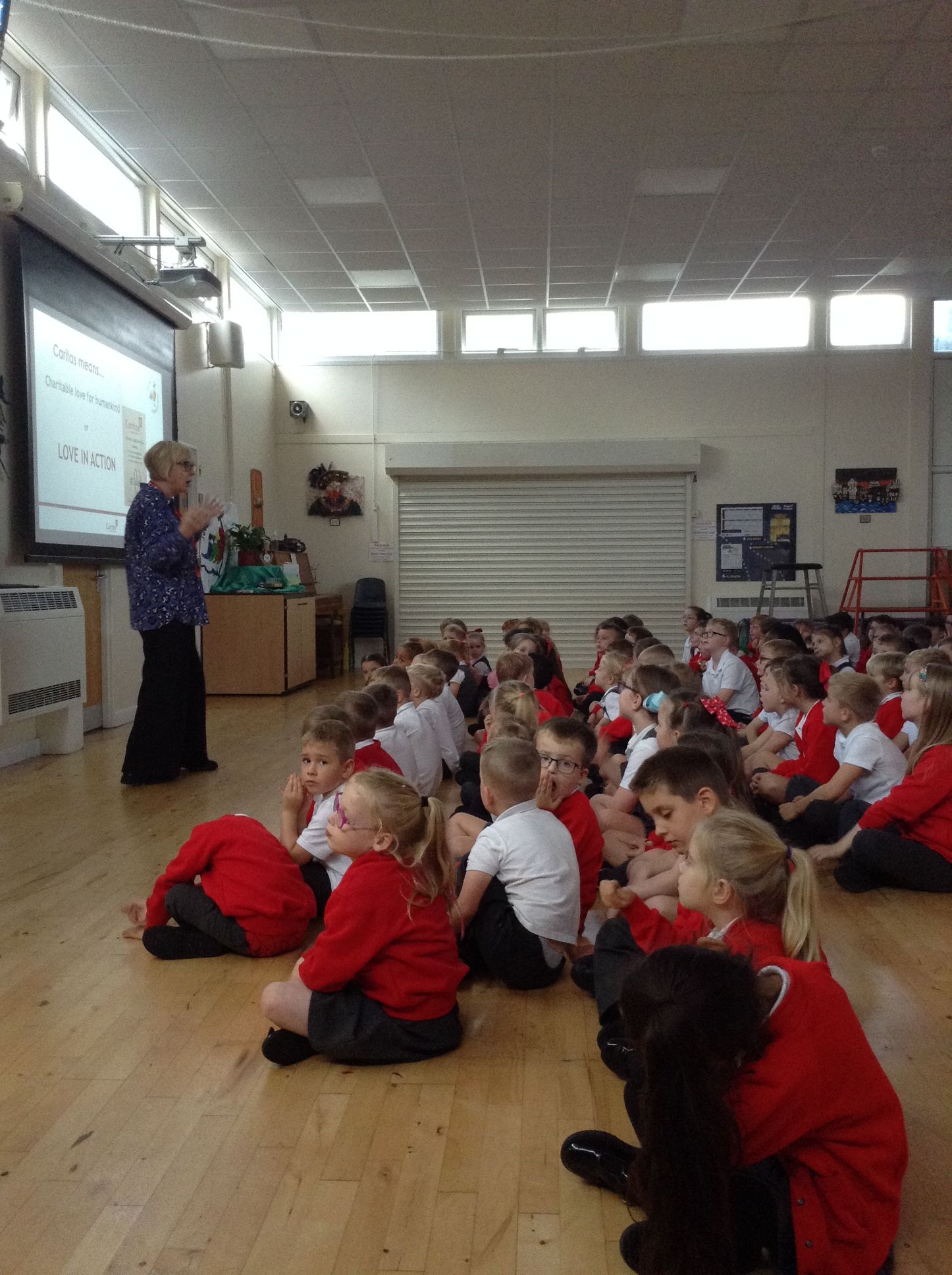
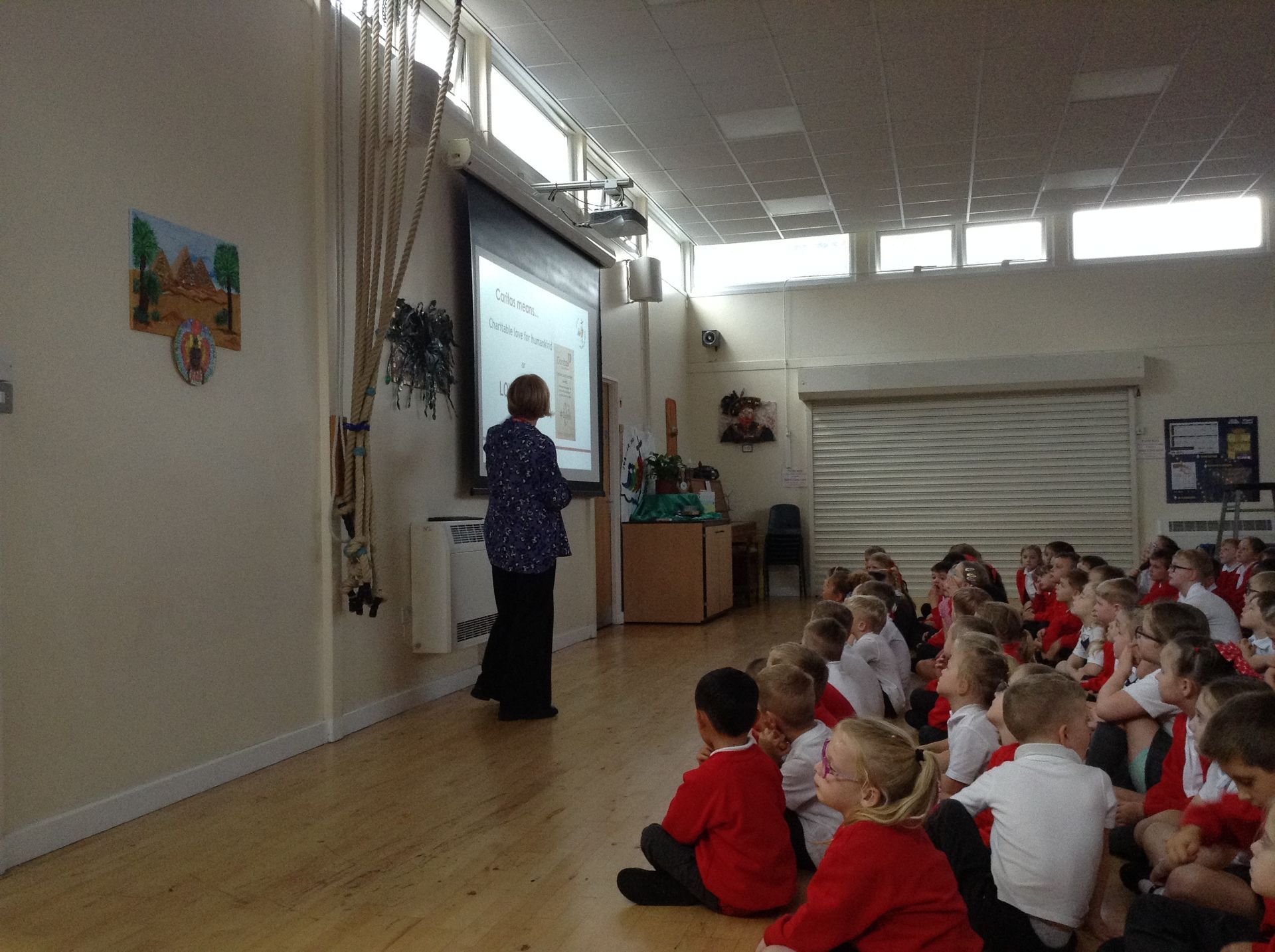
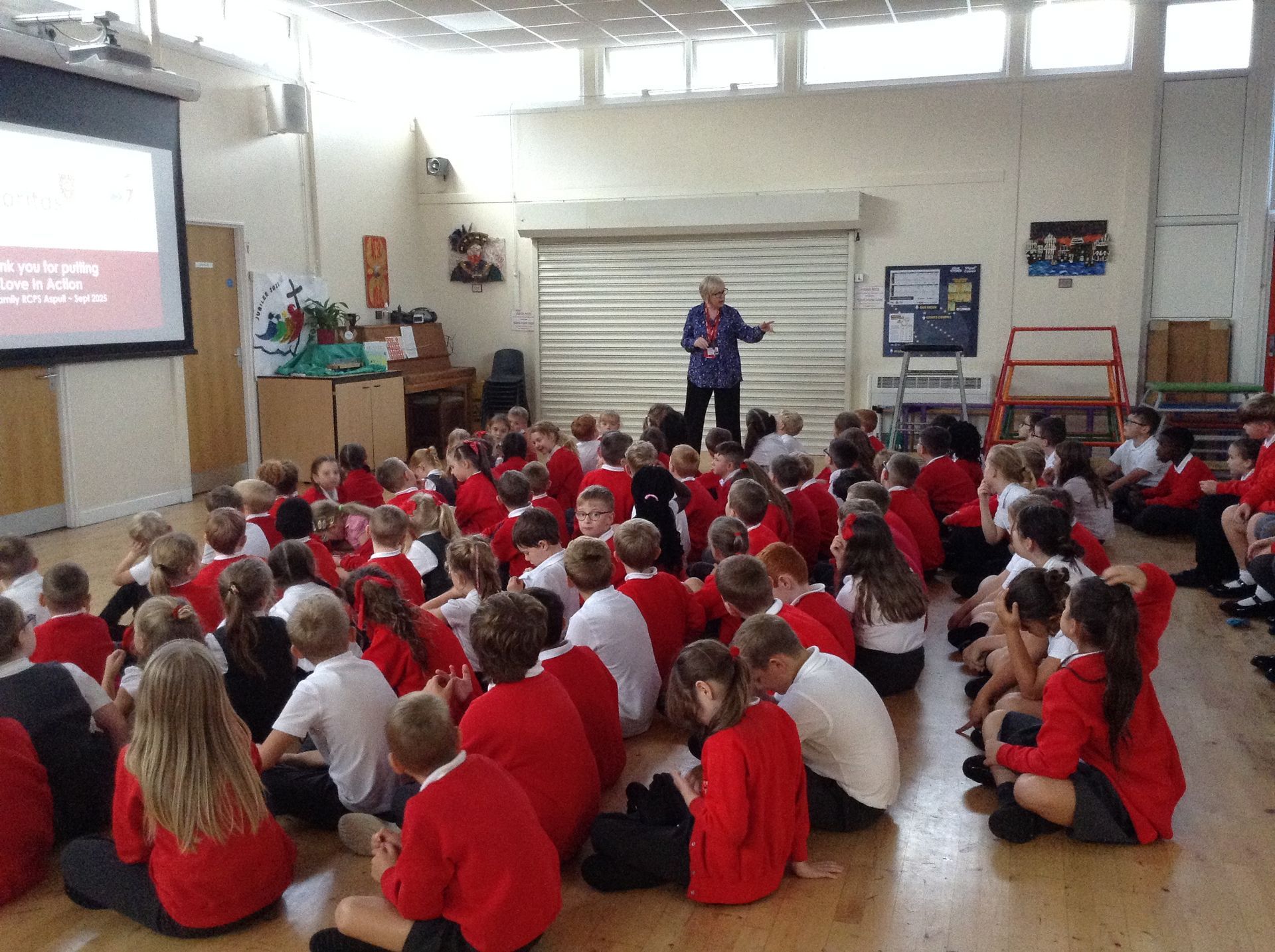
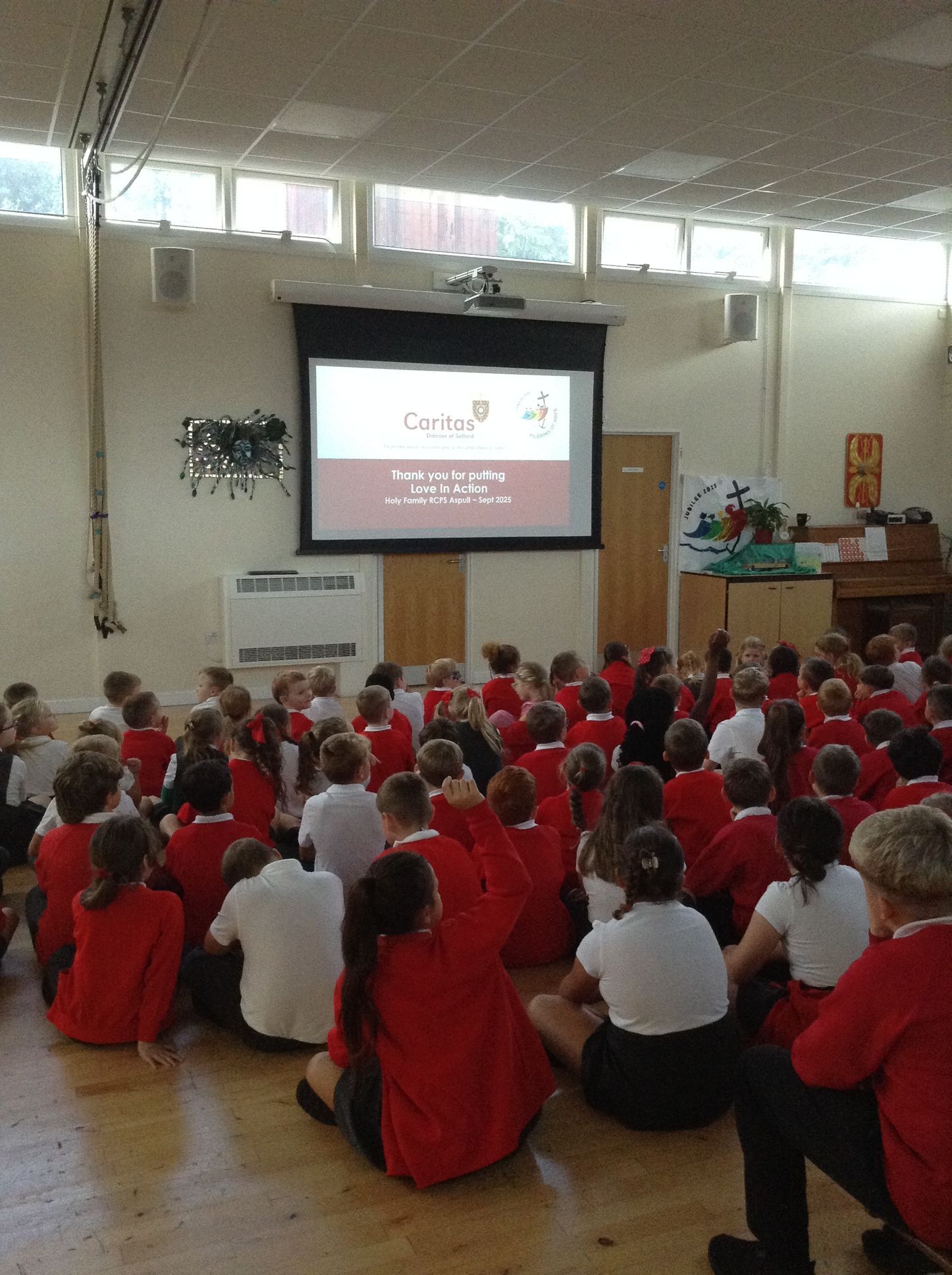
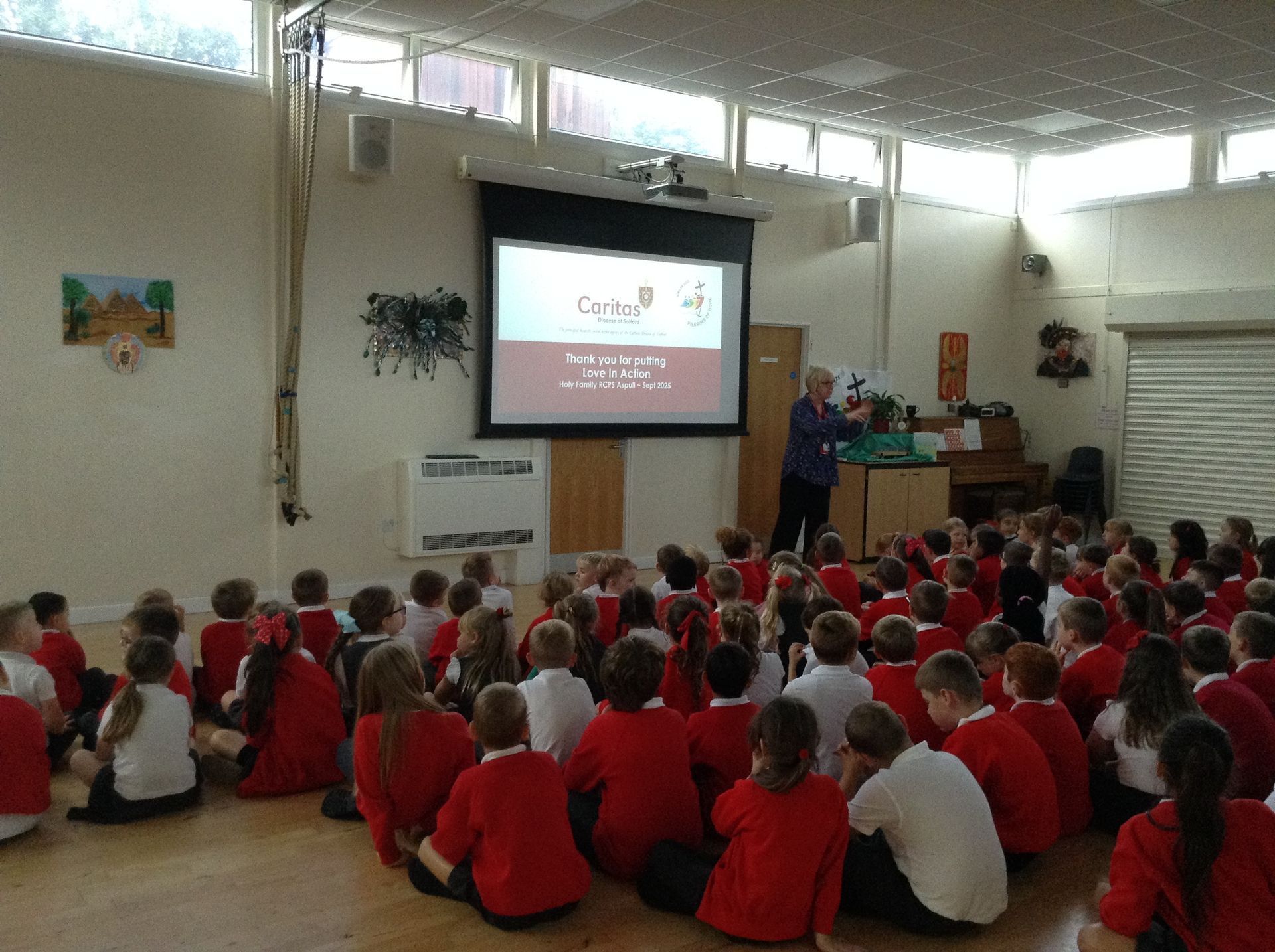
Kath Ainsley recently led a whole-school assembly with our Caritas Ambassadors, offering an invaluable opportunity for all pupils to deepen their understanding of Catholic Social Teaching in action. Through the assembly, the ambassadors shared their knowledge and inspiration, showing how we can all contribute to charity initiatives and support one another in making a positive difference. Their message encouraged everyone to live out love, compassion, and justice in our community.